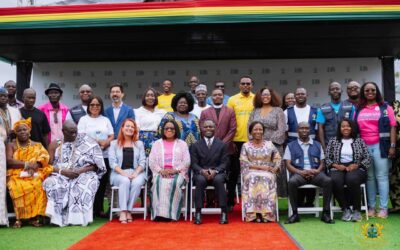
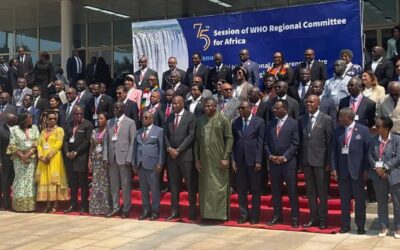
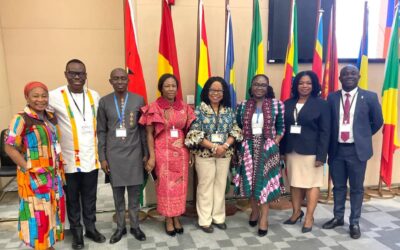
On May 20, 2025, African health leaders and global partners gathered at the 78th World Health Assembly to confront the rising threat of antimalarial drug resistance. With Africa accounting for 95% of global malaria cases, the emergence of artemisinin resistance in countries like Eritrea, Rwanda, Uganda, and Tanzania is alarming. This resistance is largely driven by poor-quality medicines and incomplete treatments, putting decades of progress at risk.
Health ministers from across the continent, alongside organizations like WHO, MMV, and Africa CDC, emphasized the need for urgent, collective action. Rwanda’s Minister of Health called for a response grounded in science, solidarity, and speed. Artemisinin-based combination therapies (ACTs) remain the backbone of malaria treatment, but their effectiveness is under threat. WHO has encouraged countries to diversify treatment options and invest in new therapies expected by 2027.
In addition to strengthening treatments, leaders stressed the importance of community engagement, health system resilience, and timely data sharing. Researchers and policymakers were urged to work more closely together to ensure that decisions are informed by real-time evidence. The call for increased domestic resource mobilization and international funding support also underlined the fact that no country can fight this threat alone.
Global funders have also called for stronger financing and local commitment to sustain the fight. The consensus is clear: surveillance must improve, data must be shared quickly, and countries must work together to stay ahead of resistance. Africa’s unified response shows that with collaboration and investment, a malaria-free future is still within reach.