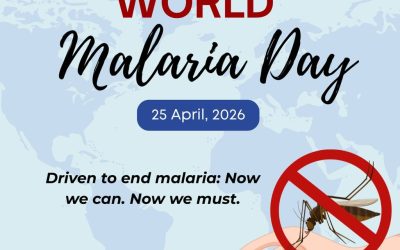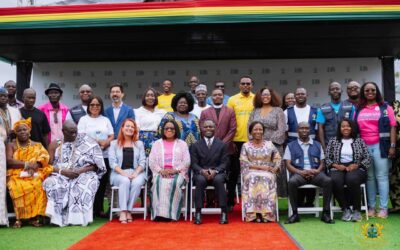
ACCRA, GHANA — On Saturday, April 25, 2026, the streets of Accra became a vibrant corridor of advocacy and action as hundreds of health professionals, researchers, and community members gathered for the National Health Walk. Organized by the National Malaria Elimination Programme (NMEP) and the Ghana Health Service (GHS), in close partnership with the African Media and Malaria Research Network (AMMREN), the event served as the high point for this year’s World Malaria Day. Under the global theme, “Driven to End Malaria: Now We Can. Now We Must,” the day’s activities symbolized a unified national resolve to move beyond the control of the disease toward its total elimination from Ghanaian soil.
The morning began at the University of Ghana Sports Directorate Park, where a diverse crowd of stakeholders assembled. The atmosphere was charged with energy as participants, led by health officials and AMMREN’s network of dedicated journalists began the trek. Carrying banners and chanting messages of prevention and hope, the walkers turned the exercise into a physical demonstration of the momentum currently driving the national health agenda. This march was not merely a ceremonial gesture but a public declaration that the tools and strategies for elimination, ranging from advanced vaccine rollouts to next-generation insecticide-treated nets, are now actively in the hands of the people.
Following the walk, the focus shifted to a commemorative durbar that provided a vital forum for health leaders to outline the strategic roadmap toward a malaria-free nation. A primary focus of the addresses was the ambitious goal of achieving total malaria elimination in twenty-one selected districts by 2028, a target that represents a significant shift from containment to complete eradication. This localized strategy is seen as a blueprint for the rest of the country, proving that with concentrated effort and the right tools, the transmission of the disease can be halted entirely.
Health officials also brought the economic reality of the disease to the forefront, noting that malaria continues to drain between 1% and 2% of Ghana’s annual Gross Domestic Product. This fiscal burden underscores the necessity of the elimination agenda, as experts emphasized that every investment in malaria eradication offers a staggering 32-fold return in long-term economic productivity and reduced healthcare costs. The discussion highlighted that the “Now We Must” portion of this year’s theme is a call for sustained domestic financing and private sector engagement to bridge existing resource gaps and ensure that progress does not stall. AMMREN was specifically recognized for its pivotal role in this national effort. Leaders lauded the network for successfully bridging the gap between complex scientific research and public understanding, which ensures that communities remain informed and vigilant. By promoting consistent bed net usage and encouraging prompt treatment for fevers, the media’s advocacy remains the heartbeat of the elimination agenda. The durbar concluded with a collective reminder that while the tools for success are now available, the final mile toward elimination requires an unwavering, unified commitment from all sectors of society. AMMREN remains at the forefront of this mission, ensuring that the dream of a malaria-free Ghana becomes a lived reality for every citizen.