A new collaborative effort is underway to tackle a hidden threat to child health and learning across sub-Saharan Africa.
Malaria’s Silent Spread in School-Aged Kids
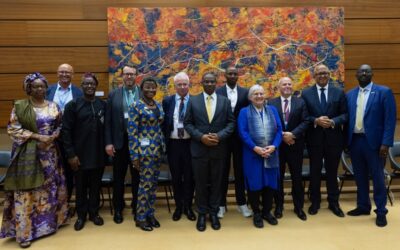
A recently launched initiative, spearheaded by the Liverpool School of Tropical Medicine (LSTM) and funded by Open Philanthropy, brings together researchers, policymakers, educators, and public health professionals from across Africa. Their goal? To shine a light on the often-overlooked burden of malaria among primary school-aged children and develop tools and guidance to combat it effectively.
Malaria isn’t just affecting the very young; it’s a leading cause of illness and death for school-aged children in many regions. Even more alarmingly, studies show that over 50% of these children are carrying malaria parasites without showing any symptoms. Though they feel fine, these “silent” infections can cause anemia, hinder learning, and sustain community-wide transmission, even as elimination efforts continue.
A Network Built on Understanding and Collaboration
This new network is designed to tackle several critical gaps:
• The lack of routine surveillance and data on infection among school-aged children.
• The broader socio-economic and educational costs linked to chronic, asymptomatic malaria.
• How to target prevention efforts where they will have the most impact.
By coordinating fresh studies, synthesizing existing evidence, and fostering knowledge-sharing across countries, the network aims to:
• Quantify the benefits of addressing malaria in school-age groups.
• Advocate for policies and resources tailored to this key demographic.
• Elevate the visibility of school-based malaria control as a national and international priority
Why This Matters Now More Than Ever
Dr. Lauren Cohee, who leads the network, emphasizes that more than 200 million African school-aged children are at risk of malaria. In areas where the disease is deeply entrenched, these children often face multiple episodes per year, contributing not only to poor health outcomes but also to missed school days and economic strain for families and health systems.
With global health investments tightening, Dr. Cohee notes, the network offers a crucial opportunity to collaborate and maximize resources: “This network is an exciting opportunity to come together as a community to determine where, when, and how to address the burden of malaria in school-age children… to support children and communities to achieve their full potential”.